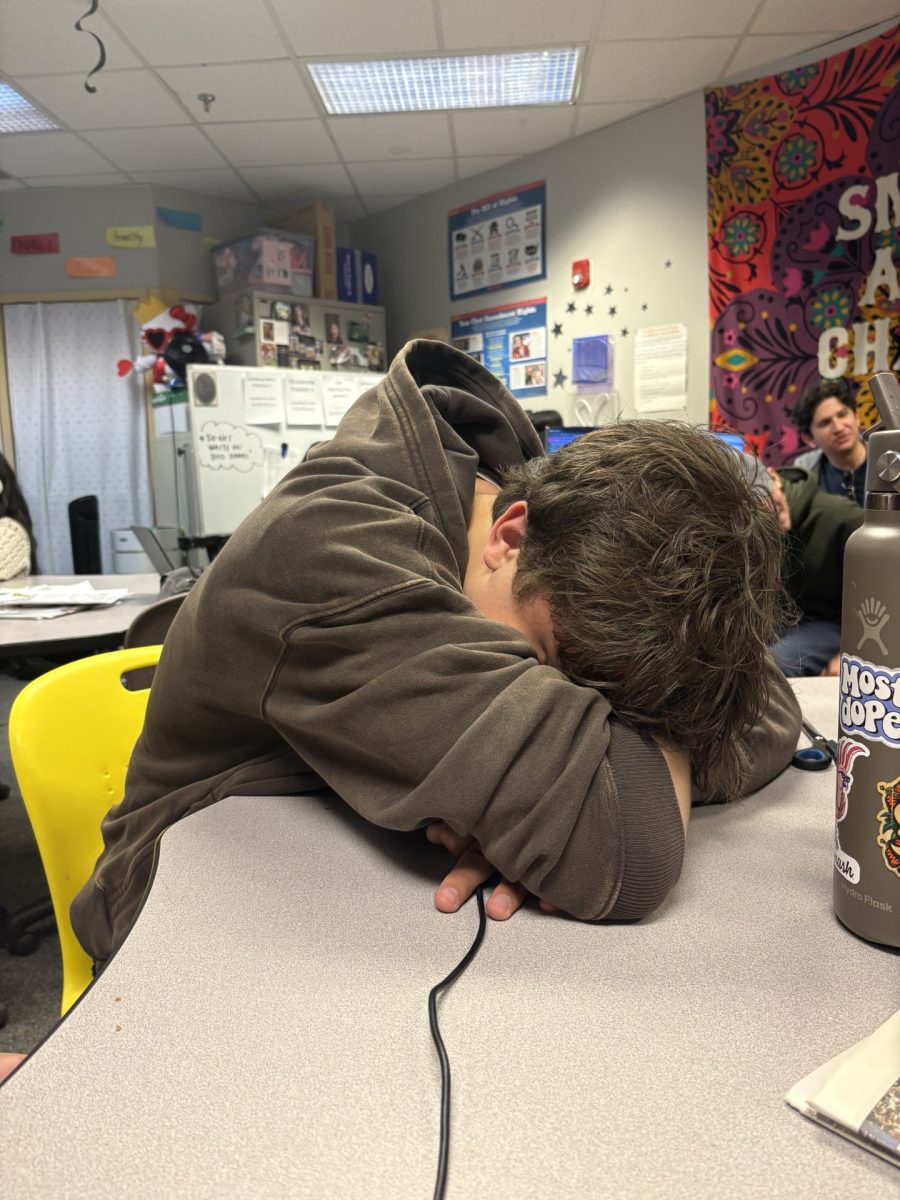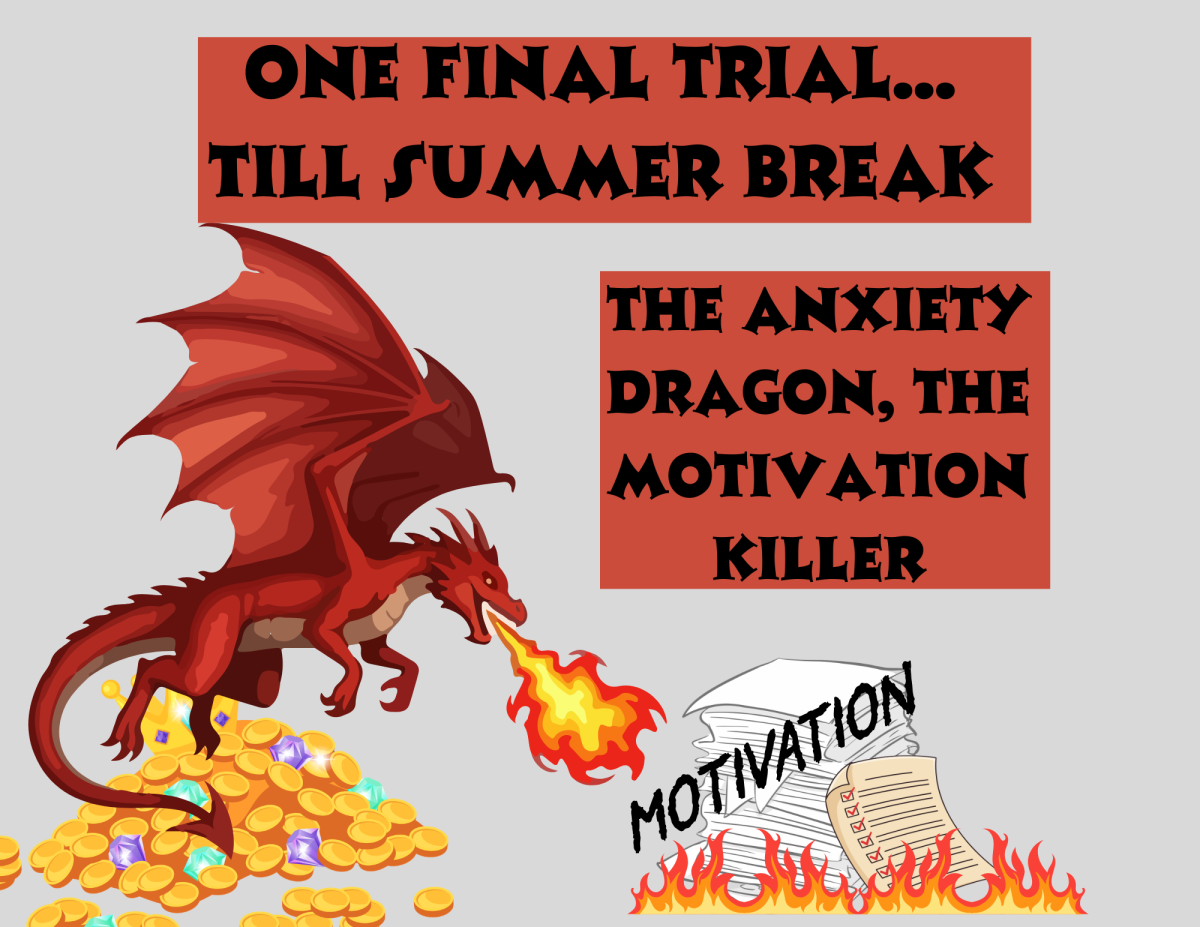
Third quarter is soon coming to an end, and with that comes the hardest quarter in the school year–4th quarter. Motivation dwindles, and stress increases, as the dread of finals lingers in the air. Waiting for summer to finally come, you feel unmotivated and ready for the year to end. Unfortunately, one last trial awaits–your finals.
So, how does one prepare for the rigorous finals? How do you stay calm and focused as you come face to face with the trial? All your training has led up to this moment, but your nerves– you have become paralyzed with stress and anxiety– what will you do? Will you pass your tests? Pause for just a moment, and reevaluate the situation.
In order to reduce your anxiety and stress, first you must understand the cause and type of anxiety. Knowing this helps you target the source of the stress, allowing you to attack it head on, eliminating it. One of the main types of anxiety regarding finals approaching is anticipatory anxiety, the focus of this article.
Anticipatory anxiety is the type of anxiety that you face when you are waiting for something, anticipating it. For example, many people feel anticipatory anxiety when they have a doctor’s appointment. They will think about the appointment coming up, what to do when it happens, when to prepare, and generally this type of anxiety can paralyze you, causing inaction. Additionally, when you experience anticipatory anxiety, your mind can race as you think about every possible negative outcome of a situation. It can also put your body in a fight or flight state.
The main way to regulate anticipatory anxiety is to ground yourself in the current moment. Anticipatory anxiety focuses on what could happen in the future, and if you can ground yourself to the present moment, it can help reduce the anxiety. Here are a few techniques to ground yourself.
- Deep breathing. This can help reduce the fight or flight response that oftentimes accompanies anticipatory anxiety.
- The 5-4-3-2-1 grounding method. Focus on the present moment by naming five things you can see, four you can feel, three you can hear, two you smell, and one you taste. You can skip some of the steps, (especially the smelling and tasting, sometimes they aren’t applicable to the situation) the reason this works is it grounds you in the present moment by focusing on what is happening in the now rather than allowing your thoughts about the future to overwhelm you.
- Create a checklist of the things you need to do in small steps. If you are anticipating tons of work you need to get done, create a checklist of the tasks, breaking it up into smaller parts, however small you need them to be to get yourself to work on it. Take things slow and one by one, focusing on the current task in the present moment.
- Distract yourself. Get outside and take a walk, play with your pets, listen to music, watch TV or play games. These can help you avoid the thoughts of what will happen in the future.
- Pick an object you like and take a few minutes to feel it. Focus on the differences in texture, the emotions associated with it, and any other observations about it. This is a grounding technique that centers you in the present moment by focusing on the object rather than your thoughts or anxiety. Allow yourself to really feel the object and observe it.
Anticipatory anxiety can be linked to anxiety disorders, but people who do not have any anxiety disorders can experience it as well. It only becomes a disorder if it impacts your day to day life negatively and frequently. These techniques can help when you have an anxiety disorder, however, it is best to speak with a therapist to find the best way to deal with your anxiety disorder.
After you control your anxiety, you can move on to the next step and learn how to motivate yourself.
During 4th quarter, many people struggle to stay motivated. It’s near the end of the year, summer is coming up, and everyone is ready for the school year to end, especially seniors. So, how do you give yourself a motivational boost to get through the quarter?
If you are neurodivergent with depression, ADHD, Autism, or something else, motivation can be especially tricky. Medication prescribed by your doctor is great to help with motivation, but sometimes more needs to be done to increase your motivation, and for the non-neurodivergent people, medication is a no-go. Without further ado, here are some ways to help boost motivation.
- Goal setting. Create small, measurable goals that allow you to break down tasks. Reward yourself when you complete a task or goal!
- Create momentum to do larger tasks by doing easy things. For example, if you are lying in bed but you need to go do the dishes, create momentum by first getting up off of the bed, then walking to the kitchen. Breaking up the task into smaller parts and just getting yourself started allows you to be more successful. Usually getting started with a task is the most difficult part and once you get started, it becomes a lot easier to keep going. Don’t wait until you feel motivated to do a task, complete smaller tasks in order to build up to the tasks you struggle with.
- Change your environment! If your task allows you to do it anywhere, doing it somewhere other than the usual spot can help. It can build momentum and give you something new and stimulating, which sometimes is just what you need when you don’t want to do something. Going outside, going to a different room, as long as it’s somewhere you usually don’t work, it can help with motivation.
- Reward yourself! Whenever you have a task you are really struggling with, reward yourself when you complete it. This will help motivate you towards a goal.
- Take breaks. When doing a difficult, long task, taking breaks in the middle of it will help, but only if it is a short break otherwise you won’t want to start on your work again. Set a five minute timer to take a moment for yourself before you get back into the task.
All in all, stress and a lack of motivation go hand in hand and can make things incredibly difficult, especially when you are in the home stretch of being done with school. These tips can help you motivate yourself and reduce stress. Take a moment for yourself to regulate, and your future self will thank you.